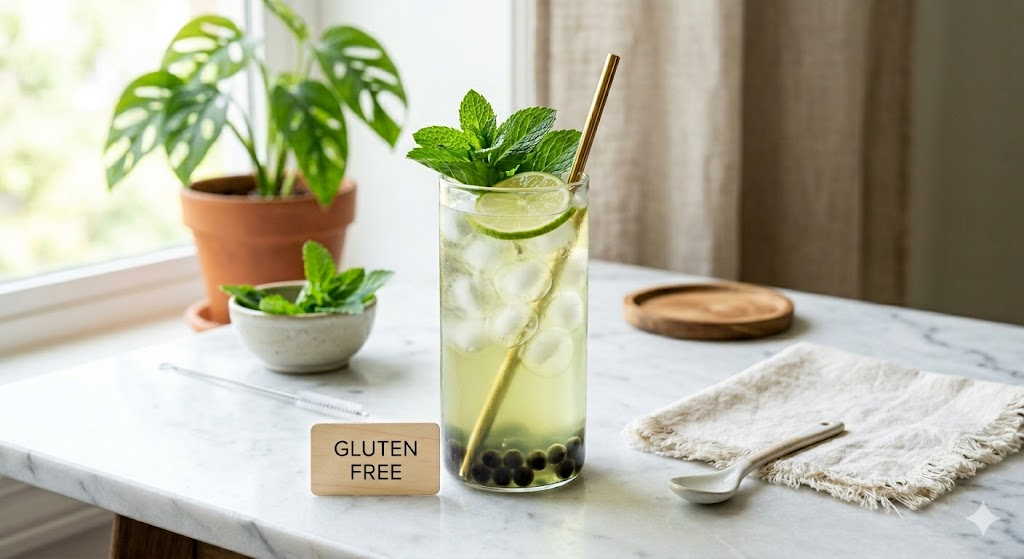
Bubble tea, also known as boba tea, has become a global favorite thanks to its customizable flavors and fun textures. From creamy milk teas to refreshing fruit blends, there is something for everyone. But if you follow a gluten-free diet, whether due to celiac disease, gluten sensitivity, or personal preference, you might be wondering if bubble tea is safe to drink.
The answer is not a simple yes or no. Bubble tea can be gluten-free, but it depends entirely on the ingredients used and how the drink is prepared. This guide explains everything you need to know so you can enjoy bubble tea without worrying about gluten exposure.
What Is Gluten and Why It Matters
Gluten is a protein found in wheat, barley, and rye. It helps foods maintain their structure, but for some people, it can cause serious health issues.
People with celiac disease must completely avoid gluten because even small amounts can damage the small intestine. Others may have gluten sensitivity or choose a gluten-free diet for lifestyle reasons.
Because gluten can hide in unexpected ingredients, it is important to understand what goes into your bubble tea before ordering.
What Bubble Tea Is Made Of
To determine whether bubble tea is gluten-free, you need to look at its main components.
Tea Base
The base of bubble tea is usually black tea, green tea, oolong tea, or herbal tea. These are naturally gluten-free and safe for most people.
Milk or Creamer
Milk itself is gluten-free. However, some non-dairy creamers or flavored powders may contain additives derived from gluten-containing grains.
Sweeteners
Sugar, honey, and simple syrups are typically gluten-free. But flavored syrups can sometimes include additives that may contain gluten or be processed in facilities with gluten.
Toppings
This is where things get more complicated. Toppings vary widely and can sometimes contain hidden gluten.
Are Tapioca Pearls Gluten-Free
Tapioca pearls, the signature element of bubble tea, are generally gluten-free. They are made from tapioca starch, which comes from the cassava root. Since cassava is naturally gluten-free, plain tapioca pearls are safe for a gluten-free diet.
However, there are a few things to watch out for. Some manufacturers may add flavorings or colorings that contain gluten. Additionally, cross-contamination can occur if the pearls are prepared in shared equipment.
If you are highly sensitive to gluten, it is always best to confirm how the pearls are made and handled.
Common Bubble Tea Ingredients That May Contain Gluten
Even though many parts of bubble tea are naturally gluten-free, certain ingredients can introduce gluten into your drink.
Flavored Powders
Some milk tea powders or flavor mixes may contain wheat-based thickeners or additives. These are often used in instant or pre-mixed drinks.
Non-Dairy Creamers
Certain creamers contain stabilizers or additives that may be derived from gluten-containing sources.
Syrups and Flavorings
Caramel, cookies and cream, or other dessert-style syrups may include gluten ingredients or be processed in shared facilities.
Pudding Toppings
Custard-style puddings sometimes contain wheat-based thickeners, making them unsafe for gluten-free diets.
Cookie Crumbs or Specialty Toppings
Some modern bubble tea shops offer toppings like crushed cookies or cake pieces, which clearly contain gluten.
Risk of Cross-Contamination
Even if all the ingredients in your bubble tea are technically gluten-free, cross-contamination is still a concern.
In many bubble tea shops, equipment such as shakers, scoops, and sealing machines are used for multiple drinks. If a gluten-containing ingredient is used in one drink, traces of it can transfer to another.
This risk is especially important for people with celiac disease. Even small amounts of gluten can trigger symptoms or cause long-term health issues.
How to Order Gluten-Free Bubble Tea
Ordering safely requires a bit of awareness and communication.
Ask About Ingredients
Do not hesitate to ask staff about the ingredients used in teas, powders, and toppings.
Choose Simple Drinks
Stick to basic options like plain tea, fruit tea, or milk tea made with fresh milk rather than powdered mixes.
Avoid Unclear Toppings
If you are unsure about a topping, it is better to skip it.
Request Clean Preparation
Ask if your drink can be prepared using clean equipment to reduce cross-contamination risk.
Check for Gluten-Free Labels
Some shops clearly label gluten-free options, which makes ordering easier.
Best Gluten-Free Bubble Tea Choices
Here are some safer options you can consider when ordering bubble tea.
Classic Milk Tea with Fresh Milk
Made with brewed tea and real milk, this is usually a safe choice if no powdered mixes are used.
Fruit Tea
Fruit-based teas with real fruit or simple syrups are often gluten-free and refreshing.
Green Tea or Black Tea with Lemon
A simple and clean option with minimal risk of hidden gluten.
Bubble Tea with Tapioca Pearls
As long as the pearls are confirmed gluten-free, this classic topping is generally safe.
Aloe Vera or Grass Jelly Toppings
These are typically gluten-free, but it is still important to confirm with the shop.
Making Gluten-Free Bubble Tea at Home
If you want complete control over ingredients, making bubble tea at home is the best option.
Choose Certified Gluten-Free Ingredients
Use tea leaves, milk, and sweeteners that are clearly labeled gluten-free.
Prepare Tapioca Pearls Carefully
Buy trusted brands of tapioca pearls and follow cooking instructions carefully.
Avoid Processed Mixes
Stick to natural flavors instead of pre-made powders.
Keep Equipment Clean
Ensure that utensils and surfaces are free from gluten contamination.
Making bubble tea at home allows you to enjoy your favorite drink without any uncertainty.
Common Myths About Bubble Tea and Gluten
Myth Bubble Tea Always Contains Gluten
This is not true. Many bubble tea drinks are naturally gluten-free when made with simple ingredients.
Myth Tapioca Pearls Contain Wheat
Tapioca pearls are made from cassava root, not wheat, so they are typically gluten-free.
Myth Fruit Teas Are Always Safe
While fruit teas are often gluten-free, flavored syrups can sometimes contain hidden gluten.
Who Should Be Extra Careful
People with celiac disease need to be especially cautious because even small amounts of gluten can cause harm.
Those with gluten sensitivity may tolerate small traces but should still be mindful of ingredients.
If you are unsure about your tolerance, it is always better to err on the side of caution.
Final Thoughts
Bubble tea can absolutely be part of a gluten-free lifestyle, but it requires careful choices. While the core ingredients like tea and tapioca pearls are usually safe, hidden gluten in flavorings, creamers, and toppings can pose risks.
The key is awareness. By asking questions, choosing simple ingredients, and avoiding uncertain additives, you can enjoy bubble tea without worry.
If you want complete peace of mind, making bubble tea at home is the safest option. With the right ingredients, you can create delicious gluten-free boba that fits perfectly into your diet.
Enjoy your bubble tea with confidence, knowing exactly what goes into your cup.