
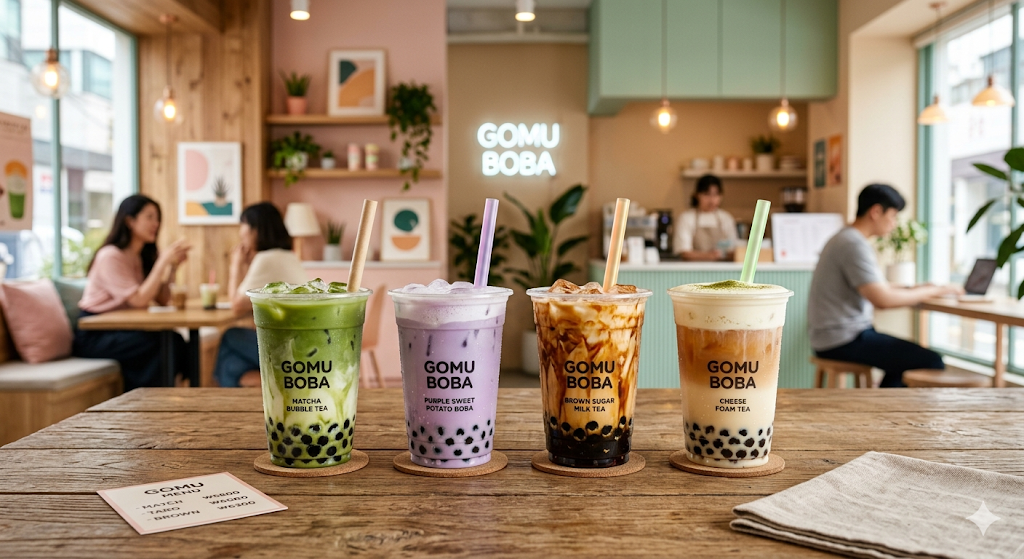
The global bubble tea craze continues to evolve, and South Korea has become one of the most exciting places driving new flavors, café aesthetics, and tea innovations. From creamy sweet potato drinks to cheese foam toppings and minimalist café presentations, Korean bubble tea culture is influencing beverage trends worldwide. Young consumers, café lovers, and social media creators are constantly searching for new Korean-inspired bubble tea experiences that combine taste, visual appeal, and premium ingredients.
Korean bubble tea trends are no longer limited to Seoul cafés. These drinks are now appearing in international tea shops, TikTok videos, Instagram reels, and food blogs across the globe. Korean cafés have mastered the art of turning beverages into lifestyle experiences. Stylish interiors, aesthetic drink layers, healthier ingredients, and creative flavor combinations are redefining what bubble tea means in 2026.
In this article, you will discover the biggest Korean bubble tea trends, the most popular flavors, trending toppings, café styles, health-conscious innovations, and the future of Korean tea culture.
Why Korean Bubble Tea Is Becoming So Popular
Bubble tea originally gained worldwide recognition through Taiwanese tea culture, but Korean cafés have introduced their own modern twist. Korean beverage brands focus heavily on visual presentation, premium ingredients, seasonal flavors, and social media-friendly aesthetics.
Several reasons explain why Korean bubble tea trends are dominating the beverage industry:
- Instagram-worthy presentation
- Unique Korean dessert-inspired flavors
- Premium tea blends
- Health-conscious drink options
- K-pop and K-drama influence
- Minimalist café culture
- Creative toppings and textures
- Fusion of traditional Korean ingredients with modern beverages
Korean cafés understand that customers want more than just a drink. They want an experience they can photograph, share online, and remember.
The Rise of Aesthetic Korean Bubble Tea Cafés
One of the biggest trends in Korea’s bubble tea industry is the rise of aesthetic cafés. These cafés feature pastel interiors, warm lighting, Korean-style décor, and artistic drink presentations.
Many Korean cafés design drinks with:
- Layered colors
- Floral toppings
- Heart-shaped ice cubes
- Cream clouds
- Korean-inspired dessert garnishes
The café environment itself has become part of the bubble tea experience. Customers often visit these locations specifically for social media content creation.
Popular café design trends include:
- Minimal white interiors
- Korean vintage themes
- Nature-inspired aesthetics
- Cozy study café environments
- Neon lighting for night photography
- Dessert and beverage pairing menus
This aesthetic approach has helped Korean bubble tea brands stand out from traditional tea shops.
Matcha Bubble Tea Is Dominating Korean Cafés
One of the strongest Korean bubble tea trends is the explosion of matcha-based drinks. Korean consumers are embracing premium Japanese and Korean matcha powders to create earthy, creamy, and visually attractive beverages.
Popular matcha bubble tea variations include:
- Strawberry matcha latte with boba
- Coconut matcha bubble tea
- Brown sugar matcha milk tea
- Matcha cream foam tea
- Matcha oat milk bubble tea
- Matcha espresso fusion drinks
Korean cafés often use ceremonial-grade matcha to deliver richer flavors and brighter green colors. Matcha drinks are especially popular among Gen Z consumers because they combine wellness trends with café aesthetics.
Many customers also prefer matcha because it contains antioxidants and offers a smoother caffeine experience compared to coffee.
Sweet Potato Bubble Tea Is Trending
Korean sweet potato desserts have inspired a completely new category of bubble tea drinks. Purple sweet potato bubble tea is becoming one of the most visually popular beverages on social media.
These drinks usually include:
- Korean purple sweet potato puree
- Milk or oat milk
- Tapioca pearls
- Sweet potato cream topping
- Cinnamon dust
- Brown sugar syrup
The vibrant purple color makes these drinks highly shareable online. Sweet potato bubble tea also appeals to customers looking for richer and more filling beverages.
Some cafés even serve:
- Roasted sweet potato milk tea
- Sweet potato cheesecake bubble tea
- Purple yam smoothies with boba
This trend reflects Korea’s growing preference for dessert-inspired beverages.
Cheese Foam Bubble Tea Continues to Grow
Cheese foam drinks remain one of the signature Korean bubble tea trends. Unlike traditional whipped cream toppings, Korean cheese foam adds a salty-sweet flavor that balances sugary milk teas.
Popular combinations include:
- Jasmine tea with cheese foam
- Matcha cheese cream tea
- Earl Grey cheese foam bubble tea
- Brown sugar milk tea with salted cheese topping
- Mango tea with cream cheese foam
The creamy texture creates a luxurious drinking experience while enhancing flavor complexity.
Many Korean cafés experiment with:
- Mascarpone cheese foam
- Sea salt cream foam
- Cream cheese mousse toppings
- Light whipped cheese clouds
This trend has become particularly popular among younger consumers seeking premium café beverages.
Brown Sugar Bubble Tea Gets a Korean Upgrade
Brown sugar bubble tea has remained popular for years, but Korean cafés are reinventing it with new ingredients and presentation styles.
Modern Korean brown sugar drinks now feature:
- Fresh cream tops
- Toasted sugar brûlée layers
- Korean honeycomb candy toppings
- Black sesame additions
- Espresso fusion
- Soft cream ice cream
Korean tea shops focus heavily on presentation. Many drinks are served in transparent cups that showcase dramatic brown sugar streaks flowing down the sides.
Some trending versions include:
- Brown sugar dalgona milk tea
- Black sesame brown sugar latte
- Brown sugar coffee boba
- Brown sugar sweet cream tea
These upgraded versions create richer textures and more photogenic beverages.
Korean Fruit Tea Bubble Drinks Are Expanding
Fruit-based bubble tea has become increasingly popular in Korea because consumers are seeking lighter and fresher alternatives to heavy milk teas.
Trending Korean fruit tea flavors include:
- Yuja tea with popping boba
- Peach iced tea
- Grapefruit green tea
- Watermelon bubble tea
- Jeju tangerine tea
- Lychee jasmine tea
- Korean pear iced tea
Many cafés use real fruit puree and fresh citrus slices instead of artificial syrups.
Fruit teas are often paired with:
- Aloe vera cubes
- Crystal boba
- Coconut jelly
- Popping pearls
- Herbal tea bases
This trend aligns with growing health-conscious beverage preferences.
Black Sesame Bubble Tea Is Becoming Mainstream
Black sesame has long been used in Korean desserts, but now it is becoming a major bubble tea flavor trend.
Black sesame bubble tea offers:
- Nutty flavor
- Rich creamy texture
- Unique gray-black appearance
- Dessert-like taste
Popular versions include:
- Black sesame milk tea
- Black sesame matcha latte
- Black sesame smoothie with tapioca
- Black sesame oat milk tea
The bold visual appearance makes these drinks extremely popular on social media platforms.
Consumers also associate black sesame with health benefits, making it attractive for wellness-focused customers.
Healthier Bubble Tea Options Are Rising
One of the biggest shifts in Korean bubble tea culture is the movement toward healthier ingredients and customizable beverages.
Modern Korean tea shops now offer:
- Sugar-free syrups
- Oat milk options
- Almond milk alternatives
- Reduced-calorie toppings
- Organic tea blends
- Natural sweeteners
- Vegan-friendly menus
Customers increasingly prefer beverages with:
- Less sugar
- Fewer artificial ingredients
- Fresh fruit
- Plant-based milk
- Lower calories
Many Korean cafés now allow customers to fully customize:
- Sugar levels
- Ice levels
- Milk choices
- Topping combinations
- Tea strength
Health-conscious bubble tea is expected to become even more important in coming years.
Korean Dessert-Inspired Bubble Tea Flavors
Korean dessert culture is strongly influencing bubble tea innovation. Cafés are transforming famous Korean sweets into drinks.
Trending dessert-inspired flavors include:
- Bingsu milk tea
- Tiramisu bubble tea
- Dalgona coffee boba
- Yakgwa caramel milk tea
- Injeolmi rice cake tea
- Red bean cream bubble tea
- Banana milk bubble tea
These beverages combine familiar Korean dessert flavors with modern tea culture.
Dessert-inspired bubble teas are especially popular during:
- Seasonal café launches
- Limited-edition menus
- Holiday promotions
- Social media campaigns
Consumers love trying nostalgic flavors in new beverage formats.
Popping Boba and Creative Toppings Are Evolving
Traditional tapioca pearls remain popular, but Korean cafés are introducing more exciting topping combinations.
Trending toppings include:
- Crystal boba
- Yogurt popping pearls
- Coffee jelly
- Matcha pudding
- Sweet potato cubes
- Brown sugar pearls
- Coconut jelly
- Aloe vera
- Mini mochi balls
Some cafés even create layered topping combinations for better texture variety.
Texture experimentation has become one of the defining features of Korean bubble tea innovation.
Korean Convenience Stores Are Driving Bubble Tea Growth
Convenience stores in South Korea are also contributing to the popularity of bubble tea culture.
Ready-to-drink bubble teas are now sold in:
- Bottles
- Cans
- Cup formats
- Instant kits
These products allow consumers to enjoy bubble tea at home or on the go.
Popular convenience store trends include:
- DIY bubble tea kits
- Instant brown sugar milk tea
- Matcha latte packets
- Frozen tapioca pearl packs
This accessibility has helped bubble tea become part of everyday Korean lifestyle culture.
Social Media Is Shaping Korean Bubble Tea Trends
TikTok, Instagram, and YouTube play a major role in driving bubble tea popularity.
Viral Korean bubble tea content often includes:
- Slow-motion pouring videos
- Layered drink visuals
- ASMR café sounds
- Boba preparation videos
- Café aesthetic reels
- Korean street café tours
Social media trends can rapidly transform a local flavor into an international sensation.
Influencers and food bloggers also help introduce:
- New toppings
- Hidden café gems
- Seasonal menu items
- Limited-edition beverages
Many cafés specifically design drinks for social media appeal.
Seasonal Bubble Tea Trends in Korea
Seasonal beverages are extremely important in Korean café culture.
Popular seasonal trends include:
Spring
- Strawberry matcha latte
- Cherry blossom milk tea
- Floral fruit teas
Summer
- Watermelon boba drinks
- Mango smoothies
- Citrus sparkling teas
Autumn
- Sweet potato milk tea
- Pumpkin spice bubble tea
- Chestnut cream drinks
Winter
- Hot black sesame tea
- Ginger milk tea
- Dalgona cream beverages
Seasonal drinks help cafés continuously attract returning customers.
Korean Bubble Tea and K-Pop Culture
K-pop culture significantly impacts beverage trends in South Korea.
Fans often visit cafés inspired by:
- K-pop idols
- K-drama filming locations
- Celebrity collaborations
- Fan-themed drink menus
Some cafés even launch:
- Idol-inspired drinks
- Limited-edition cups
- Album-themed beverages
- Fan event specials
K-pop fandom culture helps spread Korean bubble tea trends internationally.
Eco-Friendly Bubble Tea Trends
Sustainability is becoming more important in Korean café culture.
Eco-friendly trends include:
- Reusable cups
- Paper straws
- Biodegradable packaging
- Metal straw campaigns
- Glass bottle beverages
Some cafés also encourage customers to bring reusable tumblers by offering discounts.
Consumers increasingly support brands that prioritize environmentally friendly practices.
Korean Bubble Tea Franchises Expanding Globally
Several Korean-inspired bubble tea brands are expanding internationally and influencing global café menus.
These brands focus on:
- Premium café interiors
- Korean-style beverage presentation
- Creative menu innovation
- Social media marketing
As Korean culture continues to grow worldwide, Korean bubble tea cafés are opening in:
- United States
- Canada
- Southeast Asia
- Europe
- Middle East
This expansion is helping Korean beverage trends reach a global audience.
Technology and Smart Café Experiences
Technology is changing the way Korean bubble tea cafés operate.
Modern trends include:
- Self-order kiosks
- Mobile café apps
- AI-powered menu recommendations
- Digital loyalty systems
- Smart pickup stations
Many Korean cafés also integrate social media directly into customer experiences through QR code menus and interactive displays.
Technology enhances convenience while maintaining aesthetic café culture.
Why Gen Z Loves Korean Bubble Tea
Gen Z consumers are driving much of the bubble tea market growth.
Younger audiences love Korean bubble tea because it offers:
- Trendy aesthetics
- Personalization
- Social media appeal
- Creative flavors
- Café culture experiences
- Comfort and nostalgia
Bubble tea has become part of youth lifestyle culture rather than simply being a beverage.
Future of Korean Bubble Tea Trends
The future of Korean bubble tea looks highly innovative. Experts expect continued growth in:
- Functional wellness drinks
- Protein bubble teas
- Low-sugar beverages
- Luxury tea experiences
- AI-personalized drink menus
- Korean traditional ingredient fusion
Emerging ingredients may include:
- Korean herbal teas
- Ginseng infusions
- Rice milk blends
- Fermented tea beverages
- Collagen bubble teas
As café culture evolves, Korean bubble tea trends will likely continue shaping the global beverage industry.
Tips for Trying Korean Bubble Tea Trends
If you want to explore Korean bubble tea culture, consider these tips:
Try New Flavors
Experiment with:
- Black sesame
- Sweet potato
- Matcha cream
- Yuja tea
- Dalgona flavors
Customize Your Drink
Adjust:
- Sugar levels
- Ice levels
- Milk options
- Toppings
Visit Korean-Style Cafés
Look for cafés known for:
- Minimalist aesthetics
- Premium tea ingredients
- Seasonal menus
Explore Social Media Trends
Follow Korean café influencers and food creators to discover the latest viral beverages.
Final Thoughts
Korean bubble tea trends are transforming global café culture through creativity, aesthetics, premium ingredients, and innovative flavors. What began as a tea-based beverage has evolved into a full lifestyle experience shaped by Korean café culture, social media, and youth trends.
From matcha lattes and sweet potato bubble tea to cheese foam toppings and dessert-inspired beverages, Korean cafés continue to push the boundaries of what bubble tea can become. Consumers today want more than sweetness — they want texture, personalization, wellness options, and visual appeal.
As Korean pop culture and café aesthetics continue influencing global trends, Korean bubble tea will likely remain one of the fastest-growing beverage movements in the world. Whether you are a bubble tea enthusiast, café owner, content creator, or casual tea lover, keeping up with these Korean bubble tea trends can help you discover exciting new flavors and experiences.