
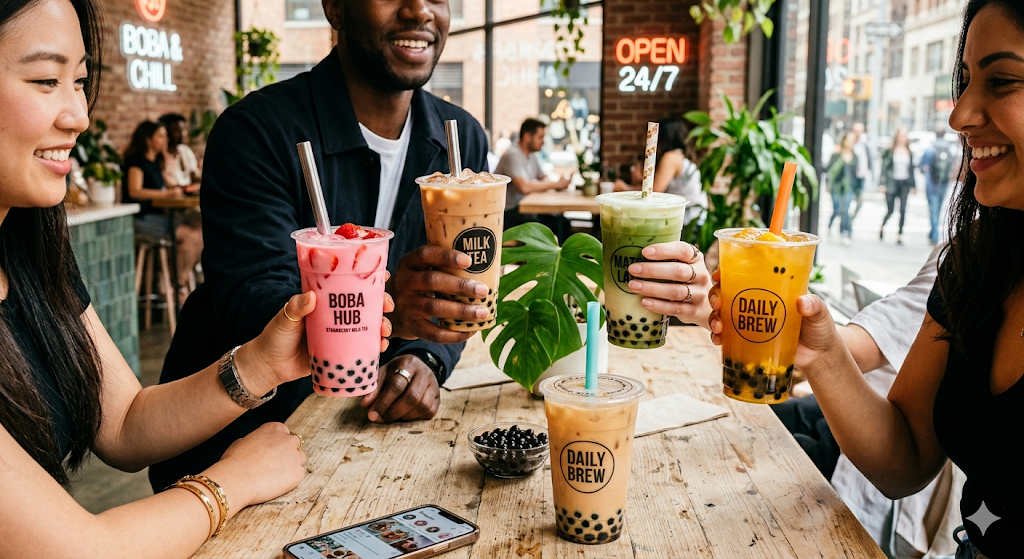
Bubble tea, also known as boba tea, has transformed from a local Taiwanese specialty into a global beverage phenomenon. Found in bustling city streets, shopping malls, and even small-town cafés, this colorful and customizable drink has captured the hearts of millions worldwide. But how did bubble tea achieve such massive global popularity? What factors fueled its growth, and why does it continue to dominate beverage trends in 2026?
This in-depth guide explores the origins, evolution, cultural influence, and future of bubble tea—revealing how it became one of the most iconic drinks of modern times.
What Is Bubble Tea?
Bubble tea is a tea-based drink that typically combines tea, milk, sweeteners, and chewy tapioca pearls (commonly known as boba). Over time, the drink has evolved to include a wide variety of flavors, toppings, and textures.
Key Components of Bubble Tea:
- Base Tea: Black tea, green tea, oolong tea, or fruit tea
- Milk or Creamer: Dairy or plant-based options
- Sweeteners: Sugar syrup, honey, or flavored syrups
- Toppings: Tapioca pearls, popping boba, jelly cubes, aloe vera, pudding
- Ice Level: Fully customizable
This flexibility allows consumers to create a drink tailored to their preferences, making bubble tea highly appealing to a wide audience.
The Origins of Bubble Tea
Bubble tea originated in Taiwan during the 1980s. While there are multiple stories about its exact invention, most accounts agree that it began as a creative experiment in tea shops.
Early Development:
- Traditional tea culture was already strong in Taiwan
- Vendors began adding milk and sugar to tea
- Tapioca pearls were later introduced, creating a new texture
The combination of creamy tea and chewy pearls created a unique sensory experience that quickly gained popularity among locals.
The Rise of Bubble Tea in Asia
Before becoming a global trend, bubble tea spread rapidly across Asian countries.
Key Factors Behind Its Regional Growth:
1. Youth Appeal
Bubble tea became especially popular among young people due to its fun, colorful presentation and customizable nature.
2. Affordable Luxury
It offered a premium feel at an affordable price, making it accessible to students and young professionals.
3. Social Experience
Bubble tea shops became social hubs where friends gathered to relax and connect.
Countries like China, Japan, South Korea, Thailand, and Singapore saw a rapid rise in bubble tea chains and local brands.
Expansion to Western Markets
The global journey of bubble tea began when Taiwanese immigrants introduced it to countries like the United States, Canada, and Australia in the 1990s and early 2000s.
Why It Took Off Internationally:
1. Cultural Exchange
Asian communities played a major role in introducing bubble tea to new audiences.
2. Unique Drinking Experience
Western consumers were intrigued by the chewy texture of tapioca pearls and the wide variety of flavors.
3. Growing Demand for Specialty Drinks
As coffee culture evolved, consumers began exploring alternatives—bubble tea filled that gap.
The Role of Social Media in Popularity
One of the biggest drivers of bubble tea’s global success is social media.
Platforms That Boosted Bubble Tea:
- TikTok
- YouTube
Why Bubble Tea Went Viral:
1. Visual Appeal
Bright colors, layered drinks, and aesthetic cups make bubble tea highly photogenic.
2. Trendy Challenges
Viral challenges and taste tests increased visibility.
3. Influencer Marketing
Food bloggers and influencers played a key role in promoting bubble tea brands.
Social media turned bubble tea into more than just a drink—it became a lifestyle trend.
Innovation and Customization
One of the strongest reasons behind bubble tea’s success is its ability to evolve.
Popular Innovations:
- Cheese foam toppings
- Brown sugar boba
- Fruit-infused teas
- Sparkling bubble tea
- Ice-blended drinks
Customization Options:
- Sugar levels (0%, 25%, 50%, 100%)
- Ice levels
- Choice of toppings
- Milk alternatives
This level of personalization makes bubble tea appealing to a broad audience with different tastes and dietary preferences.
The Influence of Global Brands
The rise of international bubble tea chains significantly contributed to its global reach.
What These Brands Did Right:
- Maintained consistent quality
- Created strong brand identities
- Expanded aggressively into new markets
- Adapted menus to local tastes
Franchise models allowed rapid expansion, making bubble tea accessible in major cities worldwide.
Cultural Impact of Bubble Tea
Bubble tea is no longer just a beverage—it’s a cultural symbol.
1. Representation of Asian Culture
Bubble tea has become a gateway for people to explore Asian cuisine and traditions.
2. Youth Identity
It is often associated with Gen Z and millennials, representing creativity and self-expression.
3. Social Media Culture
Sharing bubble tea experiences online has become a trend in itself.
The Business Boom of Bubble Tea
The bubble tea industry has grown into a multi-billion-dollar market.
Key Business Drivers:
- Low entry barriers for small businesses
- High profit margins
- Strong demand in urban areas
Why Entrepreneurs Love Bubble Tea:
- Easy to scale
- Flexible menu options
- High repeat customer rate
Many startups and franchises have entered the market, contributing to its rapid expansion.
Health Trends and Bubble Tea
As consumers become more health-conscious, the bubble tea industry has adapted.
Health-Focused Innovations:
- Low-sugar options
- Plant-based milk alternatives
- Fresh fruit teas
- Organic ingredients
While traditional bubble tea can be high in sugar, modern variations cater to healthier lifestyles.
Challenges Faced by the Industry
Despite its popularity, bubble tea has faced some challenges.
1. Health Concerns
High sugar content has raised concerns among health experts.
2. Market Saturation
In some cities, too many bubble tea shops have led to intense competition.
3. Supply Chain Issues
Tapioca pearls and specialty ingredients can be difficult to source consistently.
However, innovation and adaptability have helped the industry overcome these challenges.
Why Bubble Tea Continues to Thrive in 2026
Bubble tea remains one of the most popular beverages in the world, and its growth shows no signs of slowing down.
Key Reasons for Continued Success:
1. Constant Innovation
New flavors and trends keep the market fresh and exciting.
2. Strong Youth Appeal
Younger generations continue to drive demand.
3. Digital Marketing
Brands effectively use social media to stay relevant.
4. Global Expansion
New markets continue to adopt bubble tea culture.
The Future of Bubble Tea
The future of bubble tea looks promising, with several exciting trends on the horizon.
Emerging Trends:
- AI-powered drink customization
- Sustainable packaging
- Health-focused recipes
- Premium artisanal bubble tea
- Fusion drinks combining global flavors
As technology and consumer preferences evolve, bubble tea will continue to adapt and grow.
Lessons from Bubble Tea’s Global Success
Bubble tea’s journey offers valuable insights for businesses and marketers.
Key Takeaways:
- Innovation drives growth
- Customization enhances customer experience
- Social media is a powerful marketing tool
- Cultural authenticity adds value
- Adaptability ensures longevity
Conclusion
Bubble tea’s transformation from a small Taiwanese invention to a global trend is a remarkable story of innovation, cultural exchange, and smart marketing. Its ability to evolve with changing consumer preferences has made it one of the most successful beverage trends of the modern era.
In 2026, bubble tea is more than just a drink—it’s a global cultural phenomenon, a thriving business industry, and a symbol of creativity and connection.
As long as brands continue to innovate and connect with their audience, bubble tea will remain a dominant force in the global beverage market for years to come.